
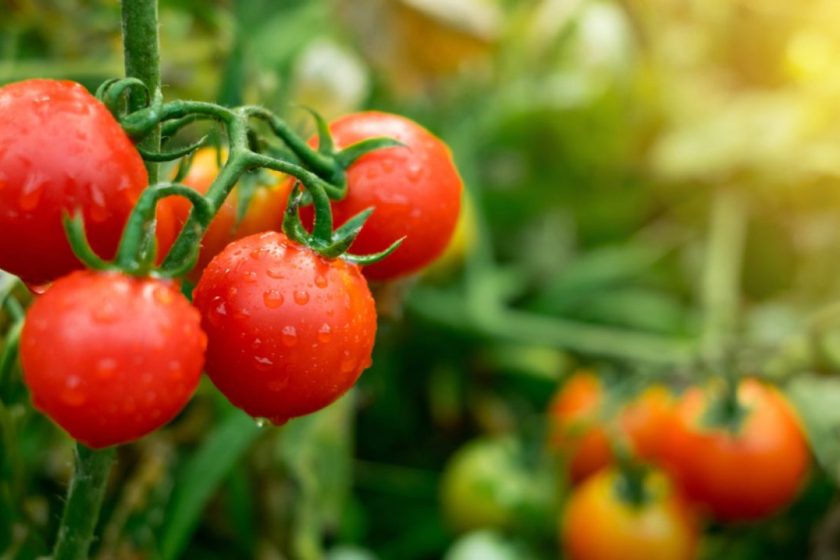
There are many different types of vegetables we can grow in our home gardens. One of the easiest is tomatoes. However, that doesn’t mean that they don’t demand proper care. To get a flourishing tomato plant and eventually a juicy fruit, you have to water it appropriately and ensure that it gets the best fertilizer for tomatoes at different levels of growth.
Basic Nutrients Needed in the Soil
You should ensure that your soil has the right nutrients to support the growth of tomatoes. Different types of soils have different compositions of nutrients. For that reason, soil testing helps you to find out which nutrient is required the most. To test the soil, you’ll need to acquire a soil testing kit from a garden store near you.
Nitrogen, phosphorous, and potassium are the primary nutrients your soil will need to have to produce a healthy and promising tomato plant. Generally, phosphorous content ought to be higher than the potassium and nitrogen content. So, here are the three important nutrients in a good fertilizer.
- Nitrogen helps to develop green foliage. However, you have to be keen on this nutrient because any small excess can cause too much green foliage without fruits.
- Phosphorous helps to develop blooms that will eventually transform into fruits. That means that if you’re looking to have large tomatoes, ensure that your soil has enough of this nutrient.
- Potassium is important for the overall well-being of the tomato plant and to facilitate the process of photosynthesis.
Slow-Release Fertilizers
Many farmers utilize slow-release fertilizers during the time of planting in which there’s a slow breaking down of nutrients over time. That ensures that the plant doesn’t get any nutrients in access at a time, which prevents it from burning. Additionally, these fertilizers have large amounts of micronutrients like calcium, manganese, copper, zinc, magnesium, and iron that assist in promoting the growth of healthy plants.
Transplanting Tomato Seedlings
When it comes to transplanting tomato seedlings in the soil, you’ll require providing extra nutrients to them after about one to two weeks. Liquid nitrogen fertilizer is one of the recommended fertilizers you can add at this time. The next time to add more nutrients is when you realize that the fruits have started to form. When the tomato fruits are set, you ought to add another dose of nutrients to help in increasing plant expansion duration.
Conclusion
It’s important to find the best fertilizer for tomatoes if you want to harvest a healthy, large and attractive tomato fruit. The best fertilizer is the one with the right nutrients composition. Additionally, it’s required of you to add supplemental nutrients to your tomato plants at different growth stages. By so doing, you’ll be sure to eventually get those juicy fruits you want.